Last Updated on 18/02/2026 by Liza Brits

Interview tips, advice and useful job interview practice tools
Preparing for a job interview can feel overwhelming. It’s your opportunity to make a lasting impression, demonstrate your skills, and prove you’re the right fit for the role.
The good news? Interviews are not about perfection, they’re about preparation. With the right strategy (and a bit of smart practice), you can walk into your next interview calm, confident, and ready to perform at your best.
Below is your complete guide to preparing effectively, whether your interview is in person or virtual.
1. Research the Company Thoroughly
Before any interview, take time to understand:
- The company’s mission and values
- Their products or services
- Recent news or developments
- Company culture
- The industry they operate in
Visit their website, LinkedIn page, and recent press mentions.
When you understand the company, you can tailor your answers to show how your skills support their goals and that immediately sets you apart from candidates who didn’t prepare.
2. Understand the Role Inside and Out
Don’t just skim the job description, analyze it.
Highlight:
- Required skills
- Core responsibilities
- Keywords used repeatedly
- Experience level expected
Then match your experience to those requirements.
Prepare 3–5 strong examples using the STAR method:
- Situation
- Task
- Action
- Result
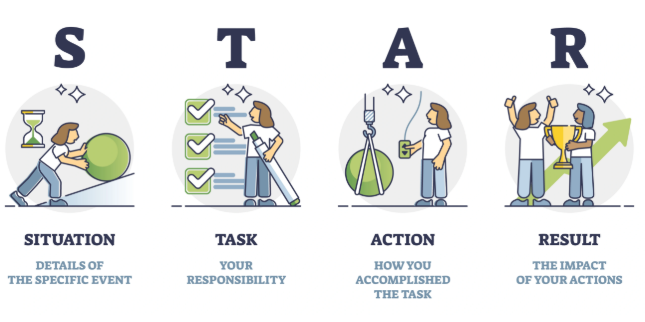
Interviewers love structured, outcome-focused answers. It shows clarity of thought and real-world impact.
If there are skill gaps, prepare an honest but confident response explaining how you are actively developing in that area.
3. Practice Like It’s a Real Interview
Reading interview questions helps, but practicing out loud is far more powerful.
Mock interviews help you:
- Improve clarity and structure
- Reduce filler words
- Manage response length
- Build confidence
- Handle pressure
You can practice with a friend, record yourself, or use structured mock interview platforms.
Modern AI-based interview tools now simulate real interview conditions, analyze your responses, and give performance feedback. These are especially useful if you don’t have someone available to practice with.
Examples of good practice tools to use:
- InterviewCoder – Designed especially for tech interview practice, InterviewCoder gives real-time coding help and mock interview support for developers preparing for technical rounds.
- Final Round AI – Offers realistic mock interviews, resume help, a live interview copilot, and personalized feedback, all powered by AI to boost confidence and performance. It’s useful for behavioural and technical practice across a range of roles.
4. Prepare Questions to Ask the Interviewer
Asking thoughtful questions shows genuine interest and professionalism.
Strong examples include:
- “What does success look like in this role after 6 months?”
- “What challenges is the team currently facing?”
- “How does the company support professional development?”
- “What are the next steps in the hiring process?”
Avoid questions about salary or leave in the first interview unless the employer raises it.

5. Review and Refine Your Resume
Be prepared to speak confidently about everything listed on your resume.
Interviewers often ask:
- “Tell me more about this role…”
- “Why did you leave this position?”
- “What was your biggest achievement here?”
Make sure your resume:
- Is updated
- Highlights measurable achievements
- Is tailored to the job you’re applying for
If you’re unsure about formatting or optimization, resume-building tools can help ensure your CV is competitive.
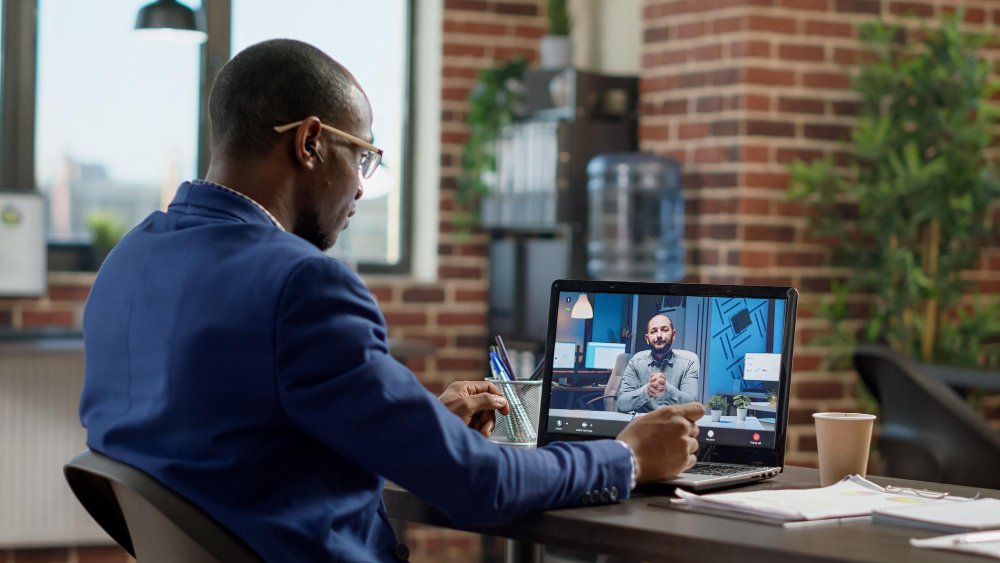
6. Prepare for Virtual Interviews Properly
If your interview is online:
- Test your internet connection
- Check your microphone and camera
- Use a clean, quiet background
- Position lighting in front of you (not behind)
- Log in 5–10 minutes early
Treat virtual interviews with the same professionalism as in-person ones.
Read our guide on how to how to pass an AI interview effectively.
7. Master Non-Verbal Communication
Your body language communicates confidence or uncertainty.
During the interview:
- Sit upright
- Maintain natural eye contact
- Avoid fidgeting
- Nod occasionally to show engagement
- Smile when appropriate
If virtual, look at the camera when speaking, not the screen.
8. Manage Nervousness Effectively
Feeling nervous is normal. Interviewers expect it.
To manage nerves during an interview:
- Practice deep breathing before the interview
- Prepare thoroughly (confidence comes from preparation)
- Pause before answering. It shows thoughtfulness
Remember: the interviewer wants to hire someone. They’re not trying to catch you out, they’re looking for the right fit.
9. Avoid Common Interview Mistakes ❌
Be mindful of these common pitfalls:
- Speaking negatively about previous employers
- Giving vague answers without examples
- Talking too long without structure
- Not answering the question directly
- Failing to prepare questions
Clear, concise, and relevant answers always make a stronger impression.
10. Follow Up After the Interview
Within 24 hours, send a short thank-you email.
Keep it professional and concise:
- Thank them for their time
- Mention something specific from the discussion
- Reconfirm your interest in the role
It reinforces professionalism and keeps you top of mind.
7 Most Common Job Interview Questions (And How to Approach Them)
While every interview is different, certain questions appear again and again. Preparing for these will give you a major confidence boost.
1. “Tell Me About Yourself”
This is almost always the opening question.
Keep it:
- Professional
- Concise (1–2 minutes)
- Structured
Use this formula: Present → Past → Future
- Who you are now (current role or qualification)
- Key past experience relevant to the job
- Why you’re excited about this opportunity
Avoid sharing personal life details unless directly relevant.
2. “Why Do You Want This Job?”
Interviewers want to know:
- Have you researched the company?
- Are you genuinely interested?
- Do your goals align with the role?
Structure your answer around:
- What attracts you to the company
- What excites you about the role
- How your skills align with their needs
Avoid saying, “I just need a job.”
3. “What Are Your Strengths?”
Choose strengths that:
- Match the job description
- Include proof or examples
- Demonstrate measurable impact
Instead of, “I’m hardworking,” say, “In my previous role, I managed multiple deadlines and consistently delivered projects ahead of schedule.”
4. “What Is Your Biggest Weakness?”
Be honest but strategic.
Choose:
- A real but manageable weakness
- Show how you’re improving it
Example: “I used to struggle with delegating tasks, but I’ve been actively working on trusting my team more and setting clearer expectations.”
Never say, “I don’t have any weaknesses.”
5. “Why Should We Hire You?”
This is your moment to summarise your value.
Focus on:
- Your relevant skills
- Your results
- Your ability to solve their problem
Think: “What problem does this company need solved and how do I solve it?”
6. “Tell Me About a Time You Handled a Challenge”
Use the STAR method:
- Situation
- Task
- Action
- Result
Keep it concise and outcome-focused.
Employers care about:
- Problem-solving
- Accountability
- Results
7. “Where Do You See Yourself in 5 Years?”
They are assessing:
- Ambition
- Stability
- Alignment
Show growth but within the industry or company. Avoid extreme answers like, “I want to be CEO.”
Final Interview Tips
- Arrive early (or log in early)
- Dress appropriately for the company culture
- Be honest and authentic
- Show enthusiasm
- Listen carefully before answering
Remember: preparation builds confidence. And confidence improves performance. Interviews aren’t about memorizing perfect answers, they’re about demonstrating how your experience, skills, and mindset align with the role. With structured preparation and realistic practice, you significantly increase your chances of success.
❓FAQs
How long should interview answers be?
Most answers should be between 60–120 seconds. Behavioral questions may take slightly longer if using the STAR method. Avoid over-explaining.
How early should I arrive for an interview?
Arrive 10–15 minutes early for in-person interviews. For virtual interviews, log in 5–10 minutes before the scheduled time.
Is it okay to pause before answering a question?
Yes. A short pause shows thoughtfulness and professionalism. It’s better to pause briefly than to rush into an unclear answer.
What should I wear to an interview?
Dress slightly more formally than the company’s usual dress code unless told otherwise. When unsure, business professional is safest.
Should I follow up after an interview?
Yes. Send a thank-you email within 24 hours. It shows professionalism and reinforces your interest.
What do interviewers look for the most?
Interviewers typically assess:
- Relevant skills and experience
- Communication ability
- Problem-solving skills
- Cultural fit
- Confidence and professionalism
It’s not always about having the most experience, it’s about being the right fit.
Affiliate Disclosure
Some of our articles may include links to products, services, or resources that we believe could be helpful to job seekers and employers, some of which are affiliate links, which means we may earn a small commission if you make a purchase, at no extra cost to you. These commissions help support our research team, so we can continue reviewing, testing, and sharing the most effective tools and resources for job seekers and employers.