
Upskill & Learn: Online Courses for Job Seekers
Build skills that can help you get hired
If you’re looking for work, improving your skills can give you more options and make your CV more competitive.
You don’t necessarily need to spend thousands of rand on a qualification. There are many online learning platforms offering free courses, professional training, certifications, and affordable ways to develop practical skills.
Whether you want to strengthen your existing skills, learn something completely new, qualify for a different type of job, or develop a skill you can use for freelance work, the resources below can help you get started.
Online Courses for Job Seekers
You can learn a surprising amount without paying for a course. These platforms offer free learning resources across technology, business, digital marketing, workplace skills, and other areas.
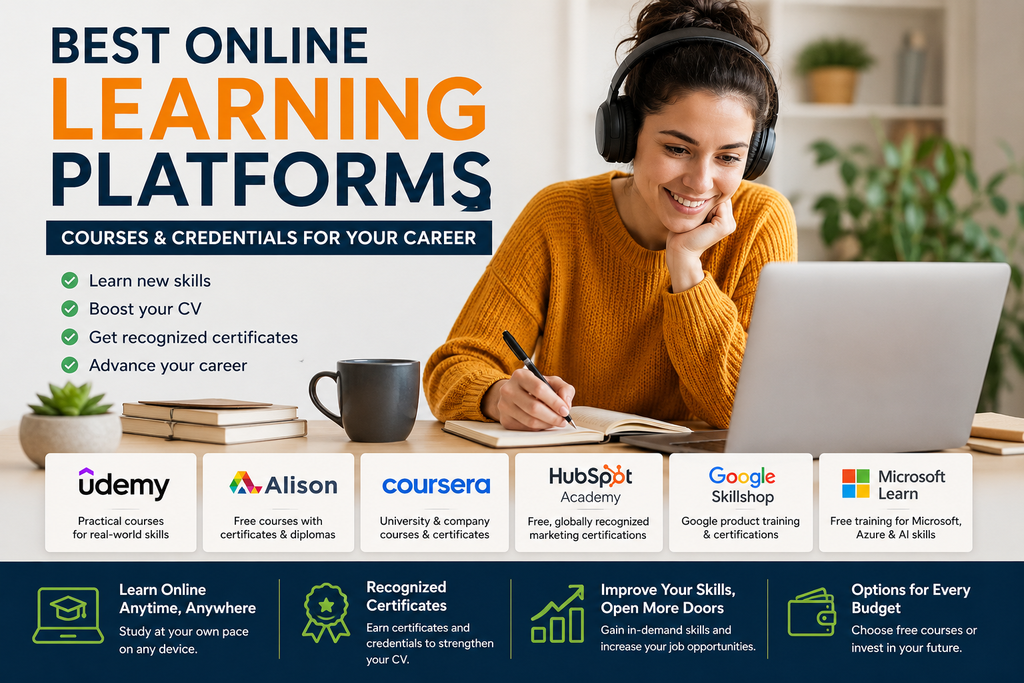
Udemy
Udemy offers a huge range of affordable online courses covering practical career skills, technology, business, AI, digital marketing, design, project management and much more. You can choose individual courses or explore Udemy’s Personal Plan, which provides access to a curated collection of professional courses. Udemy also offers certification preparation, practice tests and hands-on learning in selected areas.
Google Skillshop
Google Skillshop offers free training for a range of Google products and professional tools, including Google Ads, Google Analytics, Google Marketing Platform, and other Google technologies.
Courses can be useful if you’re interested in digital marketing, advertising, analytics, or roles that require familiarity with Google’s business tools.
Microsoft Learn
Microsoft Learn provides free training and learning paths covering Microsoft products and technologies.
You’ll find resources covering areas such as Microsoft 365, Azure, data, AI, development, and other technical skills.
For job seekers working in administration, technology, data, business, or other office-based roles, improving your Microsoft skills can be a practical addition to your CV.
HubSpot Academy
HubSpot Academy provides free online courses and certifications covering areas such as digital marketing, sales, customer service, content marketing, social media, and CRM.
These can be particularly useful if you’re interested in marketing, sales, customer support, or small-business roles.
Coursera
Coursera offers courses from universities and companies around the world, covering subjects ranging from business and technology to data science and personal development.
Many courses can be accessed without paying for the full certificate, while professional certificates and other features may require payment.
Alison
Thousands of Online Courses & Career Skills
Alison offers thousands of online courses covering subjects such as business, technology, healthcare, languages, personal development, and workplace skills.
Many courses can be studied for free, with optional paid certificates and diplomas.
Alison can be particularly useful if you want to explore a new subject before committing to a more expensive qualification.
👉 Read more detailed information in our full guide on the Best Online Courses to Upskill for a New Career.
What Skills Should You Learn?
The best skills to learn depends on the type of work you’re looking for and the skills employers are asking for.
| If you want to… | Consider learning… |
|---|---|
| Improve your office skills | Microsoft Excel, Word, PowerPoint, Microsoft 365 |
| Become more competitive for admin roles | Excel, data management, customer service, communication |
| Move into digital marketing | SEO, social media, content marketing, Google Ads, analytics |
| Develop technology skills | Coding, data analysis, cloud computing, AI, cybersecurity |
| Move into project management | Project management, Agile, communication, organisation |
| Improve your chances of remote work | Digital communication, collaboration tools, customer support |
| Start freelancing | Writing, graphic design, web design, marketing, virtual assistance |
| Change careers | Skills and qualifications relevant to your target industry |
Before paying for a course, look at current job advertisements for the type of position you want. This can help you identify which skills employers are actually requesting.
👉 Find more information in our article on the 5 Top Skills Employers Look for in a CV and how to showcase them.
Use Your New Skills on Your CV
Once you’ve developed a new skill, don’t forget to update your CV.
Add relevant skills to your skills section and, where appropriate, mention courses or certifications you’ve completed.
Even better, demonstrate how you’ve used the skill. For example, instead of simply listing “Excel”, you could mention that you created spreadsheets, analysed data, or built reports using Excel.
For more advice, visit our CV Tips & Tools page.
Learn Skills That Can Also Make You Money
Upskilling doesn’t only have to help you find a traditional job.
Skills such as graphic design, writing, digital marketing, web development, video editing, bookkeeping, virtual assistance, and social media management can potentially be used for freelance or side-hustle work.
If you’re interested in earning extra income while searching for a permanent position, take a look at our Side Hustles for Job Seekers page.
Keep Learning While You Job Hunt
You don’t have to wait until you get a job to keep developing your career.
Even an hour or two of learning each week can help you strengthen existing skills, explore new career options, and build knowledge that you can use in future applications.
Choose skills that support the type of work you actually want to do, keep track of what you learn, and look for opportunities to put those skills into practice.
Then update your CV, keep applying for suitable positions, and use your new knowledge to give yourself more options in the job market.
Frequently Asked Questions
View Our Other Useful Resource Pages
- Put job applications on autopilot
- Create/improve your CV and learn to write a strong cover letter
- Find the best job sites in South Africa and to look for work remotely
- Prepare for AI and in-person interviews
- Earn extra money while job hunting with our recommended side hustle platforms
Related Posts

10 Essential Skills to Protect Your Career Against AI in 2026
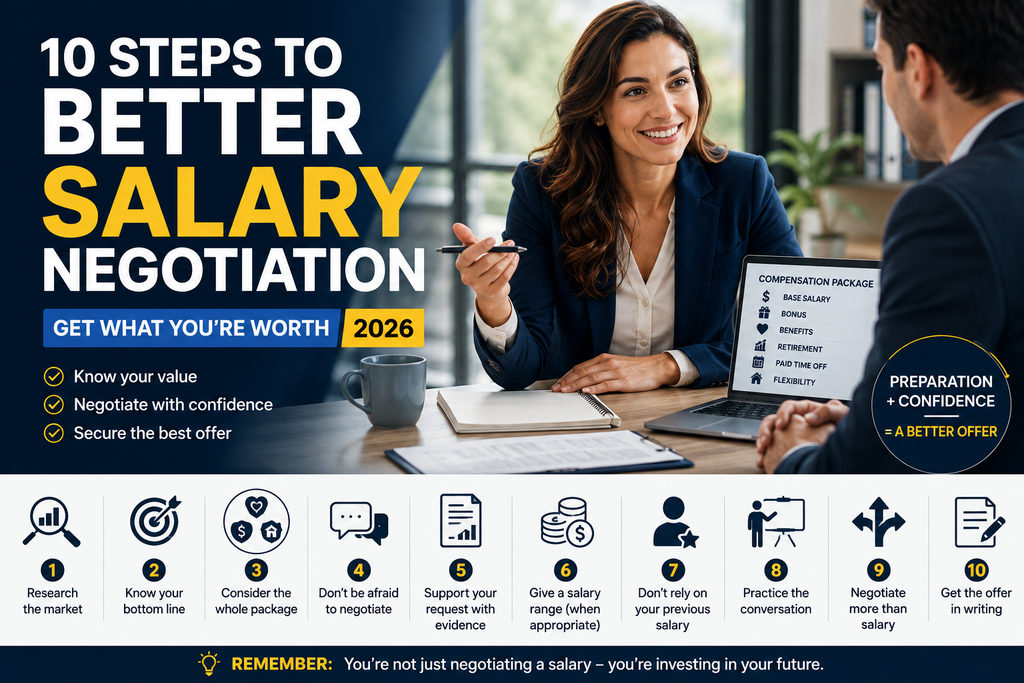
10 Salary Negotiation Tips: Get the Pay You Deserve

The Rapid Rise of Remote and Hybrid Work: Shaping the Future