Last Updated on 03/09/2026 by KLB Editorial Team
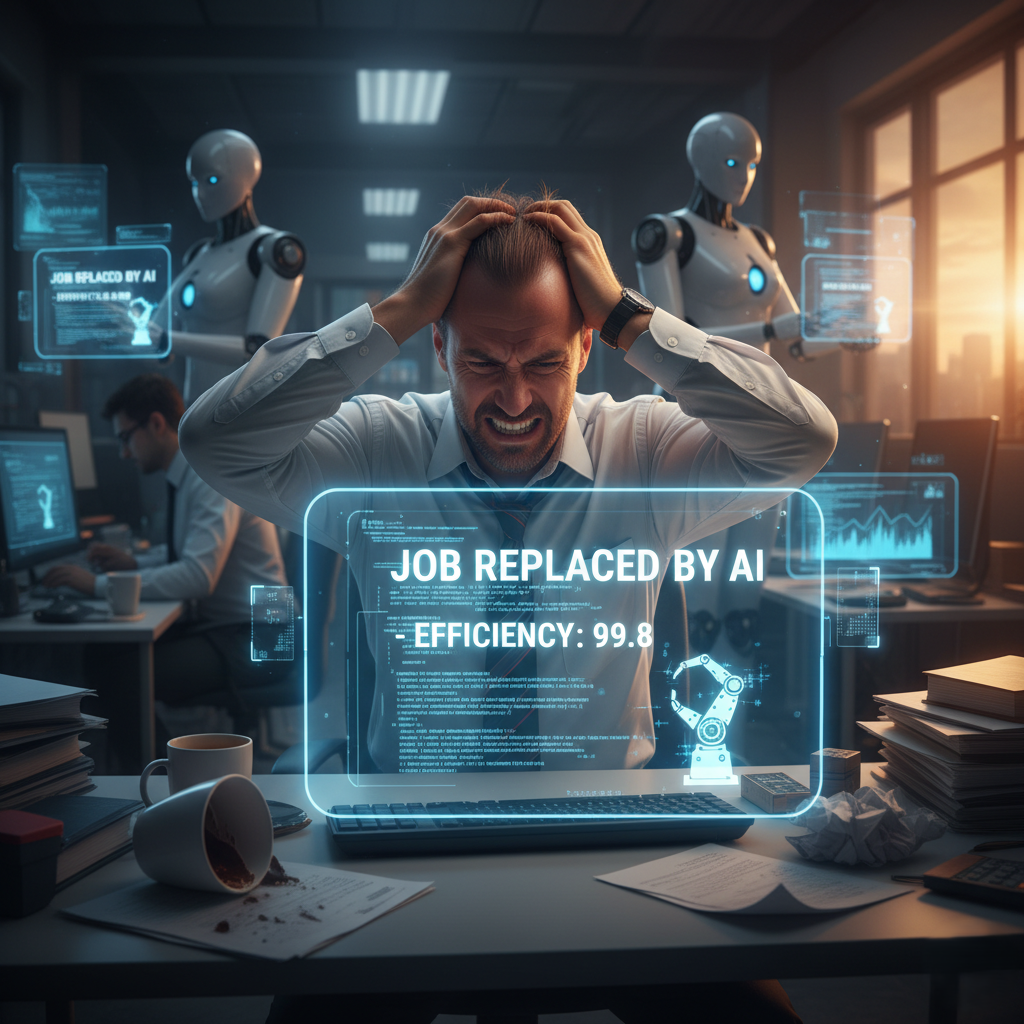
Artificial intelligence is changing the way people work. Tasks that once required hours of manual work can now be completed in minutes, while entirely new roles and skills are emerging alongside the technology.
That doesn’t mean AI will simply replace everyone.
For job seekers, the bigger opportunity is to develop the skills that work alongside technology rather than compete with it.
The most valuable professionals of the future won’t necessarily be the people who know the most about AI. They will be people who can combine human judgment, creativity, communication and adaptability with modern digital tools.
Here are 10 skills worth developing to make your career more adaptable in 2026 and beyond.
Table of Contents
1. Critical Thinking and Problem-Solving
AI can process enormous amounts of information, but people still need to decide what information matters, whether an answer makes sense and what action should be taken.
Critical thinking helps you:
- Evaluate information and identify unreliable sources
- Make decisions when there isn’t an obvious answer
- Solve unfamiliar problems
- Question assumptions
- Use AI-generated information responsibly
These skills are valuable across almost every industry.
2. Creativity and Innovation
AI can generate text, images, ideas and designs, but creativity isn’t simply about producing something.
Human creativity involves understanding context, recognising opportunities, developing original ideas and deciding what is actually useful.
Develop your creativity by experimenting, learning new things and looking for different ways to solve problems rather than always following the established process.
3. Emotional Intelligence
Technology can automate many tasks, but human relationships remain at the centre of most workplaces.
Emotional intelligence includes:
- Empathy
- Active listening
- Self-awareness
- Communication
- Managing conflict
- Building relationships
These skills are particularly important in leadership, customer service, healthcare, education, sales and team-based roles.
4. Adaptability and Lifelong Learning
One of the safest career strategies in a changing job market is to keep learning.
The skills employers want today may not be exactly the same skills they want several years from now.
Make continuous learning part of your career strategy by:
- Following developments in your industry
- Learning new software and digital tools
- Taking online courses
- Developing complementary skills
- Updating your CV as you gain new qualifications
You don’t need to learn everything. Focus on skills that are relevant to the career you want.
🎓 Build Your Skills With Online Courses
You don’t necessarily need to return to full-time education to develop new skills.
Online learning platforms offer courses covering everything from digital skills and business to communication, technology, leadership and AI.
Explore our Upskill & Learn resources to discover online learning platforms and courses that can help you develop skills employers value.
5. Digital Literacy and AI Skills
You don’t need to become a software developer to benefit from technology.
Basic digital literacy is becoming increasingly important across industries, and understanding how to use AI tools effectively can give you an advantage in many roles.
Depending on your career, useful skills might include:
- Using AI tools effectively
- Understanding basic data analysis
- Spreadsheet skills
- Digital communication
- Automation tools
- Online collaboration platforms
- Cybersecurity awareness
The goal isn’t to use AI simply because it’s available. Learn how it can help you do your work better.
6. Communication
Strong communication remains one of the most transferable career skills.
Being able to explain an idea clearly, write professionally, listen carefully and adapt your communication to different audiences can make you more effective in almost any workplace.
This includes communicating with:
- Customers
- Colleagues
- Managers
- Clients
- Teams
- Employers
And don’t underestimate written communication. Your emails, CV, cover letter and LinkedIn profile are all examples of your professional communication skills.
7. Leadership and Collaboration
Leadership isn’t limited to people with “Manager” in their job title.
Employers need people who can take responsibility, work well with others, resolve problems and help teams achieve their goals.
Develop skills such as:
- Delegation
- Collaboration
- Conflict resolution
- Decision-making
- Mentoring
- Accountability
You can develop these skills through work, volunteering, community projects, study or taking responsibility for projects.
8. Entrepreneurial Thinking
An entrepreneurial mindset can be useful even if you have no intention of starting a business.
It means looking for opportunities, taking initiative and thinking about how problems can be solved or processes improved.
Ask yourself:
“How can I make this better?”
Employees who identify problems and suggest practical solutions can bring significant value to an organisation.
9. Cultural Awareness and Global Thinking
Modern workplaces increasingly involve people from different backgrounds, locations and cultures.
Being able to work respectfully and effectively with people who have different perspectives can improve collaboration and communication.
This is particularly valuable in industries involving international customers, remote teams and global businesses.
10. Ethical Judgment
As AI becomes more widely used, employees increasingly need to think about how technology should be used, not simply whether it can be used.
Questions around privacy, accuracy, bias, copyright and responsible use of AI require human judgment.
Developing strong professional ethics can help you make better decisions and recognise situations where technology should be questioned rather than blindly trusted.
How to Build the Skills Employers Need to Protect Your Career Against AI
You don’t need to master all 10 skills at once. Start with the areas most relevant to your career goals.
For example, someone entering digital marketing might prioritise:
AI tools + digital marketing + data analysis + creativity + communication
Someone moving into management might focus on:
Leadership + communication + emotional intelligence + problem-solving
Someone looking for their first job might concentrate on:
Digital literacy + communication + adaptability + problem-solving
Online Courses Can Help
Short online courses can be an accessible way to fill skill gaps, particularly when you’re trying to strengthen your CV without committing to a full qualification.
Platforms such as Alison, along with other reputable online learning providers, offer courses covering a wide range of professional and digital skills.
👉 Explore KLB Recruitment’s Upskills & Courses resources to find learning platforms and courses that could help you build your skills.
And importantly, don’t collect certificates just to fill space on your CV.
Choose courses that teach skills you can actually use and, where possible, apply what you’ve learned through projects, work experience or a portfolio.
Will AI Replace My Job?
Nobody can predict exactly how AI will affect every occupation.
Some tasks will become automated. Some jobs will change significantly. New roles will emerge, and many existing jobs will incorporate AI into everyday work.
Instead of asking:
“How do I protect my job from AI?”
a more useful question is:
“How can I become more valuable in a workplace where AI is being used?”
That shift in mindset can change how you approach your career development.
Learn the technology. Develop your human skills. Stay curious. Keep adapting.
The Bottom Line
You don’t need to become an AI expert to future-proof your career.
The strongest approach is to combine digital skills with the human abilities technology cannot easily replace, including critical thinking, creativity, communication, emotional intelligence, adaptability and sound judgment.
Most importantly, keep learning.
Your career doesn’t have to be built around one fixed set of skills. Treat your skills as something you can continually develop as the world of work changes.
At KLB Recruitment, we’re here to help you do exactly that, with practical resources for job searching, CVs, interviews, professional development, and side hustles.
Frequently Asked Questions: How to Protect Your Career Against AI
What skills are most important in the age of AI?
Critical thinking, problem-solving, adaptability, communication, creativity, emotional intelligence and digital literacy are among the most useful skills to develop. The right combination depends on your industry and career goals.
What should I learn to stay relevant as AI develops?
Start with skills relevant to your desired career, then add complementary digital and AI skills. Learning how to use AI tools effectively alongside strong human skills can make you more adaptable as workplaces change.
Do I need to learn coding to protect my career from AI?
No. Coding can be valuable for certain careers, but it isn’t necessary for everyone. Digital literacy, AI awareness, data skills and the ability to use technology effectively can be useful in many non-technical roles.
Can online courses help me improve my career skills?
Yes. Online courses can help you develop new skills or strengthen existing ones without necessarily requiring full-time study. Choose courses that are relevant to your career goals and focus on skills you can demonstrate or apply.
Are AI skills important for non-technical jobs?
Increasingly, yes. Many non-technical roles are incorporating AI and other digital tools. You don’t necessarily need advanced technical knowledge, but understanding how to use relevant tools effectively can be a useful career advantage.
How often should I update my skills?
There’s no single schedule that works for everyone. Review your skills regularly and pay attention to changes in your industry, job advertisements and the tools employers are using. This can help you identify useful skills to learn next.